

Acupuncture for Chronic Pain in Jacksonport
Chronic pain is defined as pain that persists beyond 12 weeks, outlasting the normal healing timeline for tissue injury. It carries a heavy toll. Sleep becomes fragmented. Movement feels guarded and restricted. Mood shifts toward irritability or low-grade depression. Work performance suffers, and family life can feel strained by the constant undercurrent of discomfort.
Conventional treatments have real limitations. Pain medications, especially opioids, carry well-documented risks of dependency and side effects. Surgery is not always indicated or desirable. Physiotherapy alone, while valuable, may not fully address the neurological and inflammatory components of persistent pain. This is where acupuncture enters the conversation.
Acupuncture has moved from the margins into mainstream rehabilitation settings across Canada. Sports medicine clinics, physiotherapy practices, and multidisciplinary pain programs now routinely include it as part of a broader treatment strategy. At Jacksonport Sports Physio, acupuncture is not offered as a standalone alternative but as one tool within an integrated plan that may also include exercise prescription, manual therapy, and patient education. For Calgary residents searching for acupuncture for chronic pain Jacksonport, the goal is accessible, credible, and results-oriented care close to home.
How Acupuncture Works: The Science Behind the Needles
Traditional Principles and Modern Understanding
Acupuncture originated in traditional Chinese medicine, where practitioners describe health as a balance of vital energy, or qi, flowing through pathways called meridians. Pain and illness are understood as blockages or imbalances in this flow. While these concepts remain part of acupuncture's heritage, modern clinical practice focuses on physiological mechanisms that researchers can measure and observe.
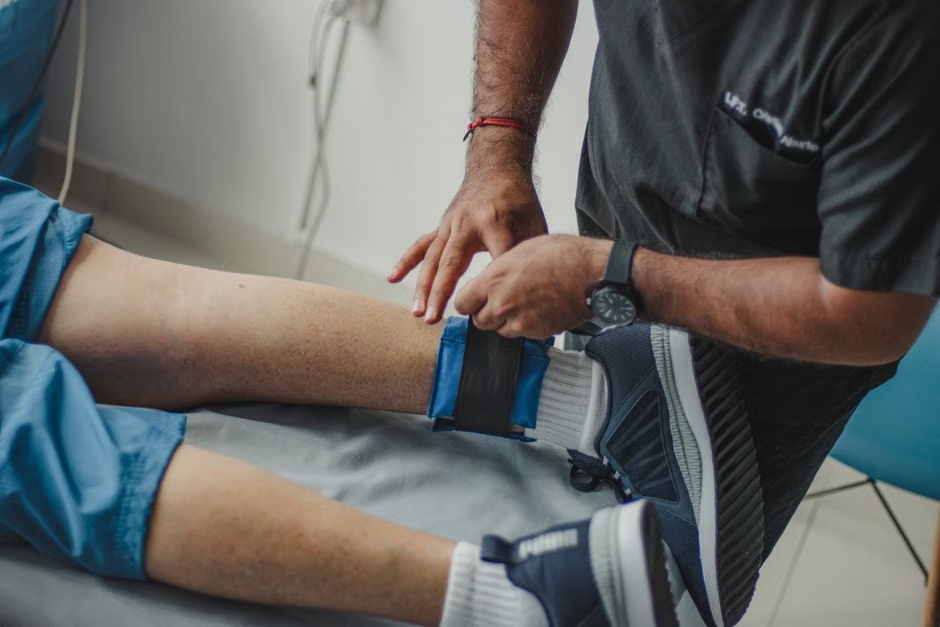
When a fine, sterile needle is inserted at a specific point, it stimulates sensory nerves beneath the skin. This triggers a cascade of responses. The body releases endorphins, its natural pain-relieving chemicals, along with serotonin and other neurotransmitters that influence mood and pain perception. Local blood flow increases at the needling site, delivering oxygen and nutrients while clearing inflammatory by-products. On a neurological level, acupuncture signals travel to the spinal cord and brain faster than pain signals, effectively closing the gate on pain perception. Over repeated sessions, acupuncture also modulates how the central nervous system processes pain, helping to interrupt the chronic pain cycle.
What the Research Says: Evidence for Chronic Pain Relief
The evidence base for acupuncture has grown substantially over the past two decades. The Mayo Clinic recognizes acupuncture as a valid complementary therapy for chronic pain conditions, and the Johns Hopkins Center for Integrative Medicine supports its use for lower back pain, migraines, and osteoarthritis. The American College of Physicians recommends acupuncture as a first-line, non-pharmacological treatment for chronic lower back pain, a significant endorsement given the organization's conservative approach.
Clinical studies show measurable improvements in pain scores and functional outcomes for patients receiving acupuncture. Many patients also report reduced reliance on pain medication. It is fair to acknowledge that some trials show modest differences between true acupuncture and sham needling, which suggests that part of the effect may come from the therapeutic ritual itself. However, real-world outcomes remain consistent: patients report less pain, better sleep, and improved daily function. For conditions like chronic back pain, neck pain, osteoarthritis, migraines, and tension headaches, the research support is strongest.
Common Chronic Pain Conditions We Treat with Acupuncture
At Jacksonport Sports Physio, our acupuncturists treat a range of chronic pain conditions. Chronic lower back pain is among the most common, along with neck pain and whiplash, sciatica, osteoarthritis affecting the knee, hip, or hand, migraines and tension headaches, fibromyalgia, and TMJ disorders. Sports-related chronic pain also responds well, including overuse injuries, persistent tendonitis, and joint pain that has not resolved with rest or conventional treatment.
Beyond pain relief, patients often report secondary benefits. Improved sleep quality is frequently mentioned, as is reduced stress and anxiety. Some patients notice better digestion, relief from sinus or allergy symptoms, and more balanced energy levels. These broader effects make sense when you consider that chronic pain affects the nervous system globally, not just at the site of injury.
Every treatment plan at Jacksonport Sports Physio is personalized. No two patients receive identical protocols. Your acupuncturist assesses your specific pain patterns, medical history, and functional goals before designing a treatment approach. Acupuncture can also be combined with physiotherapy, exercise prescription, and manual therapy for a truly integrated strategy.
What to Expect: Your First Acupuncture Appointment at Jacksonport Sports Physio
Before Your Appointment: Preparation and Paperwork
Your first visit begins with some practical preparation. Bring photo ID, your Alberta health care card, private insurance information if you have extended benefits, and a list of current medications. Wear loose, comfortable clothing that allows access to treatment areas such as your back, arms, and legs. You will complete a brief intake form covering your pain history, previous treatments, medical conditions, and any supplements you take.
Your practitioner will review this information and discuss your goals. Be prepared to describe your pain in detail: where it is located, how intense it feels on a typical day, what triggers it, and what makes it better or worse. Eat a light meal beforehand and stay hydrated. Avoid arriving on an empty stomach, which can increase the likelihood of feeling light-headed during treatment.
During the Treatment: What Happens in the Room
Your acupuncturist will conduct a physical assessment, palpating tender areas and evaluating your posture, range of motion, and muscle tension. This helps identify the most appropriate points for your condition. The needles used are ultra-thin, about the width of a human hair. Most patients feel a mild sensation upon insertion or nothing at all. You may experience a dull ache or tingling known as de qi, which is normal and indicates that the nervous system is responding.
Needles remain in place for approximately 20 to 30 minutes. You will rest comfortably on a treatment table, and many patients find this period deeply relaxing. Depending on your condition, your practitioner may use additional techniques such as electrical stimulation, heat therapy, or manual manipulation of the needles. Most patients receive a series of treatments rather than a single session. Your practitioner will recommend a schedule based on your condition and how your body responds.
After the Session: Recovery and Follow-Up
Immediately after treatment, most patients feel calm and relaxed. Some experience a temporary increase in pain or mild soreness at needle sites, which typically resolves within 24 to 48 hours. Avoid strenuous exercise for the remainder of the day, but gentle movement and walking are encouraged. Drink extra water to support your body's healing response.
Your practitioner will outline a recommended treatment plan. For lower back pain, noticeable improvement often occurs within four to six sessions. Migraines may require six to eight sessions. For optimal, lasting results, some chronic conditions benefit from 10 to 12 treatments. Follow-up appointments allow your practitioner to reassess your progress and adjust the protocol as needed.
Safety, Side Effects, and Who Should Avoid Acupuncture
Acupuncture is safe when performed by a qualified, registered practitioner. Jacksonport Sports Physio employs acupuncturists who are registered with the College of Acupuncturists of Alberta. We use sterile, single-use needles for every patient, eliminating any risk of cross-contamination.
Side effects are generally mild and temporary. Minor bruising, slight soreness, or brief light-headedness can occur. Serious complications are extremely rare. Certain individuals should exercise caution or avoid acupuncture altogether. This includes people with bleeding disorders, those taking blood thinners, individuals with compromised immune systems, and patients with certain cardiac conditions. If you are pregnant or may be pregnant, always disclose this, as some acupuncture points are avoided during pregnancy. If you have a pacemaker, inform your practitioner, as electroacupuncture may not be appropriate.
Cost, Insurance Coverage, and Booking Information
Jacksonport Sports Physio offers direct billing to most major insurance providers. Bring your insurance information to your first appointment, and our administrative team will handle the paperwork. Acupuncture is not covered by Alberta Health Care, but many extended health benefit plans include acupuncture coverage. Check your policy for session limits and annual maximums.
Our clinic offers flexible scheduling, including evening and weekend appointments, to accommodate busy lifestyles. We are conveniently located in the Jacksonport area of Calgary with easy access and parking. To book, call the clinic directly or use the online booking system on our website. A brief phone consultation is available if you have questions about whether acupuncture is right for you.
Acupuncture vs. Other Pain Management Options: How It Compares
Acupuncture and physiotherapy are both valuable, but they work differently. Physiotherapy focuses on movement, strength, and biomechanics. Acupuncture targets the nervous system and pain signalling. The two are highly complementary, which is why Jacksonport Sports Physio often uses them together within a single treatment plan.
Compared to chiropractic care, which emphasizes spinal alignment and joint function, acupuncture addresses pain through neurological and circulatory pathways. Some patients benefit from both approaches. Massage therapy works on soft tissue tension, while acupuncture provides deeper, longer-lasting effects on pain pathways and inflammation. Against medication, acupuncture offers a drug-free alternative with no dependency risk and fewer side effects. Many patients use it to reduce or eliminate their reliance on painkillers.
Acupuncture is not a replacement for other treatments. It is a powerful addition to a comprehensive pain management strategy, and your practitioner will help you find the right combination for your specific situation.
Frequently Asked Questions About Acupuncture for Chronic Pain
Does acupuncture hurt? No. Needles are extremely thin, and most patients feel minimal to no discomfort. Any sensation is brief and mild.
How many sessions will I need? Most patients notice improvement within four to six sessions. Chronic conditions may require 10 to 12 treatments for optimal results.
How long do the effects last? Effects vary by individual and condition. Many patients experience lasting relief, while others return for periodic maintenance sessions.
What is the difference between acupuncture and dry needling? Acupuncture is rooted in traditional Chinese medicine and targets specific meridian points. Dry needling targets myofascial trigger points using Western anatomical principles. Both use similar needles but with different philosophies and goals.
Is acupuncture covered by insurance? Most extended health plans in Alberta cover acupuncture. Jacksonport Sports Physio offers direct billing for convenience.
Take the First Step Toward Lasting Pain Relief
Acupuncture is a safe, evidence-informed, and effective treatment for chronic pain. At Jacksonport Sports Physio, you receive expert care in a welcoming, professional environment. Our 207 five-star Google reviews and 5.0-star rating reflect the quality of care and patient satisfaction we strive for every day.
When you book with us, you are not just getting acupuncture. You are getting a comprehensive treatment plan that may include physiotherapy, exercise, and lifestyle guidance tailored to your needs. Your first appointment is an assessment. You will leave with a clear understanding of your condition and a personalized plan, with no obligation to continue if it does not feel right.
Chronic pain does not have to define your life. Help is available in Jacksonport. Book your appointment today by phone or through our website, and mention this article when you call.