
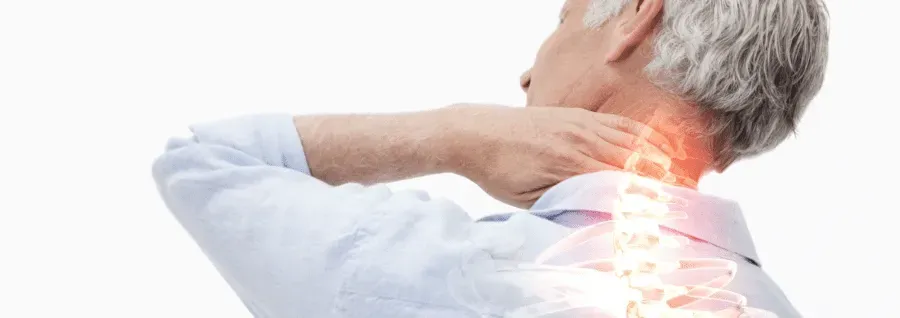
Cervicogenic Dizziness Treatment
Cervicogenic Dizziness:
Dizziness can be unsettling and may affect daily activities such as walking, driving, or focusing on tasks. While dizziness is commonly associated with inner ear conditions, some individuals experience dizziness that originates from the neck. This condition is known as cervicogenic dizziness, and it often occurs together with neck pain, stiffness, or limited mobility.
For individuals searching for cervicogenic dizziness treatment near Redstone Calgary, understanding the connection between the neck and balance can help identify possible causes of symptoms. The cervical spine, located in the neck, contains muscles, joints, and nerves that communicate with the brain about head movement and body orientation.
When this system becomes disrupted due to injury, tension, or poor posture, it can create a mismatch in sensory signals. As a result, the brain may interpret these signals incorrectly, leading to dizziness or imbalance.
At Jacksonport Sports Physio near Redstone, physiotherapy professionals evaluate patients experiencing dizziness to determine whether the cervical spine may be contributing to their symptoms. Through proper assessment and targeted treatment, individuals can work toward improving neck function and reducing dizziness.
Understanding Cervicogenic Dizziness
Cervicogenic dizziness refers to dizziness caused by dysfunction in the cervical spine. The cervical spine contains multiple joints and muscles that help support the head and allow smooth movement in different directions.
In addition to supporting movement, the neck plays an important role in the body’s balance system. Specialized receptors within the neck muscles and joints send information to the brain regarding head position and motion.
When there is tension, injury, or dysfunction in the cervical spine, these sensory signals may become distorted. This disruption can interfere with the body’s ability to maintain balance, resulting in dizziness or lightheadedness.
People experiencing neck related dizziness near Redstone Calgary often report symptoms that occur alongside neck discomfort. These symptoms may become more noticeable during certain neck movements or after maintaining the same posture for extended periods.
Recognizing the relationship between neck symptoms and dizziness is an important step in identifying cervicogenic dizziness.
The Role of the Neck in Balance and Body Awareness
Maintaining balance requires coordination between several systems in the body. These include the inner ear, visual system, and sensory receptors in muscles and joints.
The neck contains receptors that provide the brain with information about head position relative to the body. These signals work together with the vestibular system in the inner ear and visual input from the eyes to maintain stable movement.
When the cervical spine experiences dysfunction, the signals from these receptors may not align with information coming from the other systems. This mismatch can lead to sensations of dizziness or imbalance.
Individuals searching for physiotherapy for dizziness near Redstone Calgary often discover that addressing neck mobility and muscle tension can help restore proper communication between these systems.
Improving neck function through targeted physiotherapy exercises may help the body regain better coordination between the cervical spine and balance systems.
Common Causes of Cervicogenic Dizziness
Several factors may contribute to the development of cervicogenic dizziness. One of the most common causes is whiplash, which can occur during motor vehicle accidents or sudden impacts. Whiplash injuries often affect the muscles and joints of the neck, leading to stiffness and altered movement patterns.
Another common cause is poor posture, particularly for individuals who spend long hours working at desks or looking down at electronic devices. Prolonged forward head posture can place strain on cervical muscles and joints.
Muscle tension and stress can also contribute to neck dysfunction. Tight muscles around the upper neck and shoulders may alter movement patterns and affect sensory signals related to balance.
Degenerative changes in the cervical spine, such as arthritis or joint wear, may also influence neck mobility and lead to dizziness in some individuals.
For those searching for neck dizziness treatment near Redstone Calgary, identifying the underlying cause of cervical dysfunction is essential for developing an effective treatment plan.
Signs That Your Dizziness May Be Neck Related
Although dizziness can have many different causes, certain patterns may suggest that the neck is involved. One of the most common indicators of cervicogenic dizziness is the presence of neck pain or stiffness alongside dizziness.
Individuals may notice that dizziness occurs or worsens during certain neck movements, such as turning the head or looking upward. Prolonged sitting or maintaining the same posture may also trigger symptoms.
Headaches that originate at the base of the skull are another common feature. These headaches often result from tension in cervical muscles and may accompany dizziness episodes.
Unlike vertigo caused by inner ear conditions, cervicogenic dizziness usually does not involve intense spinning sensations. Instead, individuals often describe feelings of imbalance, lightheadedness, or unsteadiness.
If dizziness occurs together with neck discomfort, it may be helpful to seek evaluation from a healthcare professional experienced in physiotherapy for neck related dizziness near Redstone Calgary.
How Cervicogenic Dizziness Is Diagnosed
Diagnosing cervicogenic dizziness requires careful evaluation because dizziness can have multiple potential causes. Healthcare professionals begin by reviewing the patient’s medical history and discussing how symptoms developed.
A physical assessment often focuses on neck mobility, muscle tension, and posture. Physiotherapists may evaluate how neck movement influences dizziness symptoms.
Additional assessments may be conducted to rule out other causes such as inner ear disorders or neurological conditions.
At Jacksonport Sports Physio near Redstone, physiotherapists use movement assessments and cervical spine evaluations to determine whether neck dysfunction may be contributing to dizziness.
Accurate diagnosis helps ensure that treatment strategies address the underlying cause of symptoms rather than simply managing discomfort.
Physiotherapy Treatment for Cervicogenic Dizziness
Physiotherapy is commonly used to help individuals recover from cervicogenic dizziness. Treatment programs typically focus on restoring neck mobility, reducing muscle tension, and improving coordination between the neck and balance systems.
Manual therapy techniques may be used to improve movement in cervical joints and relieve tight muscles. These techniques are performed by trained physiotherapists and aim to restore natural movement patterns.
Exercise therapy is also an important component of treatment. Strengthening and stretching exercises can help improve stability in the neck and upper back.
Postural correction is often included as well. Many individuals develop cervical strain due to poor posture during work or daily activities. Learning proper posture and movement habits can help prevent recurring symptoms.
For patients experiencing cervicogenic dizziness near Redstone Calgary, physiotherapy programs are often tailored to address both neck function and balance coordination.
How Physiotherapy Helps Improve Balance
Balance training exercises may be incorporated into physiotherapy programs to help the body adapt and regain stability. These exercises gradually challenge the body’s balance system while improving coordination.
Physiotherapists may guide patients through exercises that involve controlled head and body movements. These activities help the brain re-learn how to process sensory information from the neck, eyes, and inner ear.
Over time, this training can help reduce dizziness episodes and improve confidence during movement.
At Jacksonport Sports Physio, treatment plans are customized to suit each patient’s condition and recovery goals.
Conclusion
Cervicogenic dizziness is a condition that occurs when dysfunction in the cervical spine affects the body’s balance system. Neck injuries, muscle tension, and poor posture can disrupt the signals that help maintain stability.
For individuals experiencing cervicogenic dizziness near Redstone Calgary, physiotherapy assessment can help identify whether the neck is contributing to symptoms.
At Jacksonport Sports Physio, treatment approaches focus on improving neck mobility, reducing tension, and restoring coordination between the neck and balance systems.
If you have questions about dizziness that may be coming from your neck, the team at Jacksonport Sports Physio near Redstone is available to assist you.
Calling the clinic allows you to speak with healthcare professionals who can provide information about physiotherapy services and treatment options.
FAQs
What is cervicogenic dizziness?
Cervicogenic dizziness is a condition where dizziness occurs due to dysfunction in the cervical spine or neck.
Can neck pain cause dizziness?
Yes, neck injuries or muscle tension can disrupt sensory signals responsible for balance and cause dizziness.
How is cervicogenic dizziness treated?
Treatment often involves physiotherapy techniques such as manual therapy, posture correction, and strengthening exercises.
When should I see a physiotherapist for dizziness?
If dizziness occurs alongside neck pain, stiffness, or headaches, a physiotherapy evaluation may be helpful.
Where can I get cervicogenic dizziness treatment near Redstone Calgary?
You can visit Jacksonport Sports Physio near Redstone for assessment and physiotherapy treatment.