
Best Shoulder Impingement Exercises | Calgary Physio
Shoulder pain is a common concern for many people across Calgary, particularly during the winter months. Cold temperatures, bulky winter clothing, reduced physical activity, and repetitive tasks such as snow shoveling can place additional stress on the shoulder joints. At Jacksonport Sports Physio in Calgary, physiotherapists regularly support individuals with shoulder impingement through physiotherapy and individualized exercise programs focused on restoring movement and reducing discomfort.
Shoulder impingement is a frequent cause of shoulder pain and often develops gradually. It may interfere with daily activities such as reaching overhead, putting on a jacket, lifting objects, or sleeping comfortably. With appropriate physiotherapy care and targeted exercises, many people are able to improve symptoms and shoulder function over time.
In this article, you will learn what shoulder impingement is, common contributing factors, typical warning signs, and seven physiotherapy based exercises that can be performed at home to help manage pain and improve shoulder movement.
Patient Story from Jacksonport Sports Physio
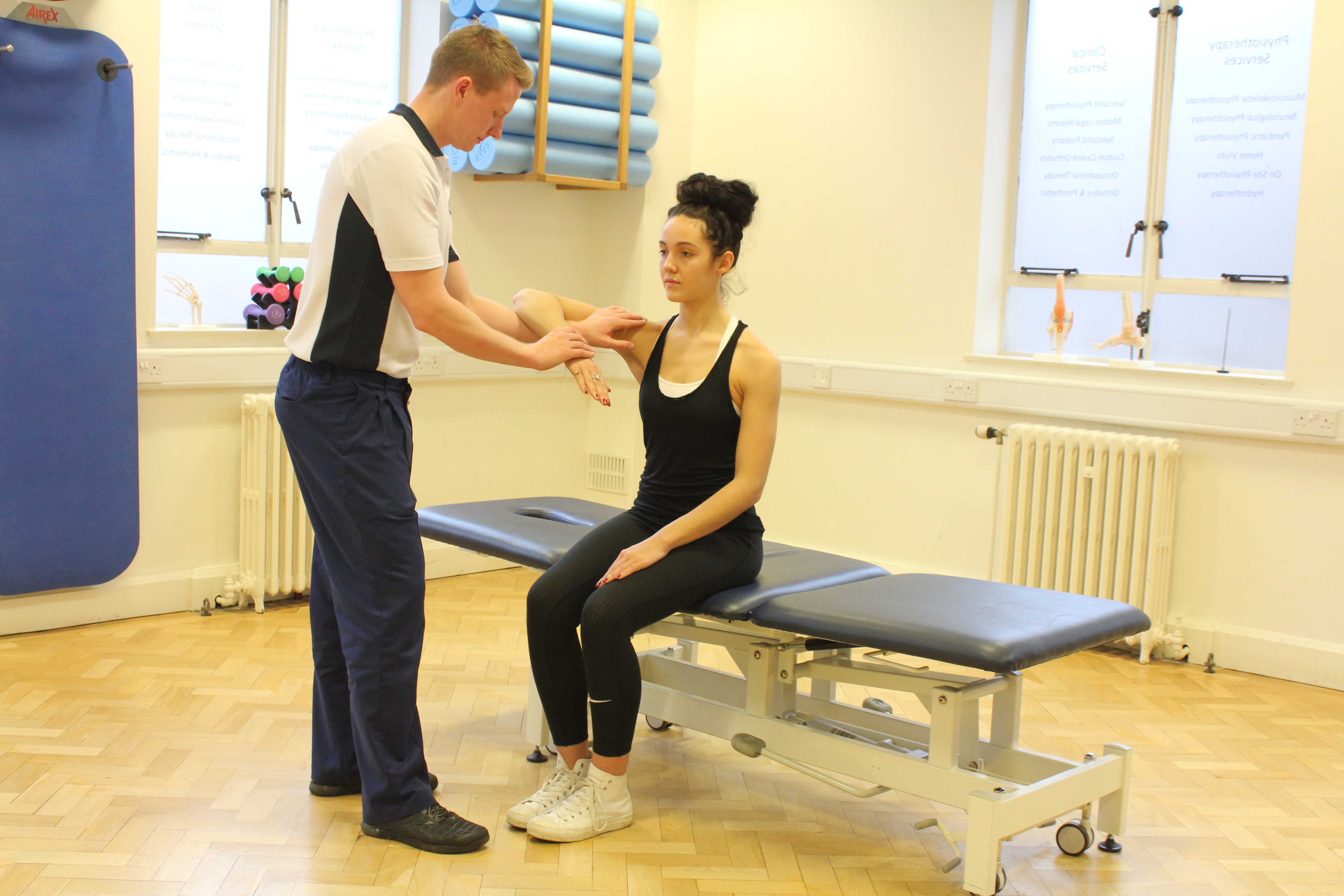
During the winter season, one patient visited Jacksonport Sports Physio in Calgary with ongoing shoulder pain that worsened while shoveling snow and reaching overhead at work. She also experienced discomfort when sleeping on her side and limited arm use due to pain.
Following a physiotherapy assessment, shoulder impingement related to posture and muscle imbalance was identified. A treatment plan was developed that included hands-on therapy and guided home exercises. Over several weeks, her pain gradually decreased, shoulder mobility improved, and she was able to return to her usual daily activities with less discomfort.
What Is Shoulder Impingement?
Shoulder impingement occurs when the tendons of the rotator cuff become irritated or compressed in the space beneath the shoulder blade. This repeated compression can lead to inflammation, pain, and restricted movement. If left unaddressed, symptoms may persist and potentially contribute to ongoing shoulder dysfunction.
Common contributing factors include poor posture, muscle weakness, repetitive overhead movements, and prolonged sitting. These factors may become more noticeable during Calgary’s winter months when activity levels decrease and posture habits change.
Physiotherapy Based Exercises for Shoulder Impingement
The following exercises focus on posture awareness, shoulder mobility, and strengthening the muscles that support healthy shoulder movement. Exercises should be performed slowly and within a pain-free range. If symptoms increase, stop and consult a licensed physiotherapist.
1. Pec (Doorway) Stretch
Tight chest muscles can pull the shoulders forward, reducing space within the shoulder joint.
Stand in a doorway with your forearms on the door frame at shoulder height. Step one foot forward and gently lean forward until a stretch is felt across the chest and front of the shoulders. Hold for 20–30 seconds and repeat two to three times.
2. Wall Angels
This exercise supports posture awareness and shoulder blade movement.
Stand with your back against a wall, keeping your head, upper back, and hips in contact. Bend your arms into a goalpost position and slowly slide them upward while maintaining contact with the wall. Return to the starting position and repeat 8–10 times.
3. Foam Roller Stretch
This exercise combines chest stretching with supported overhead movement.
Lie on your back with a foam roller placed lengthwise along your spine. Allow your arms to relax at your sides. Slowly raise your arms overhead while keeping the ribs relaxed, then return with control. Perform 8–10 repetitions.
4. Scapular Retractions
Strengthening shoulder blade muscles helps reduce strain on the shoulder joint.
Sit or stand upright and gently squeeze your shoulder blades together. Hold for five seconds, then relax. Repeat 10 times with steady breathing.
5. External Rotation with Resistance Band
This exercise targets rotator cuff muscle strength.
Attach a resistance band at elbow height. With your elbow bent and tucked close to your side, rotate your forearm outward slowly. Return with control and perform 10–12 repetitions on each side.
6. Pendulum Exercise
This gentle movement helps reduce stiffness and promote circulation.
Lean forward slightly and support yourself with one hand. Allow the affected arm to hang and gently swing it in small circles for 30 seconds in each direction.
7. Shoulder Flexion Stretch
This stretch helps improve overhead range of motion.
Lie on your back holding a stick or broom handle with both hands. Use the unaffected arm to assist the affected arm as you raise both arms overhead within a comfortable range. Repeat 8–10 times.
Why Physiotherapy Can Help with Shoulder Impingement
Exercises are often part of managing shoulder impingement, but symptoms are commonly influenced by posture, movement patterns, and muscle coordination. Physiotherapy may include hands-on treatment, posture education, movement retraining, and progressive strengthening to support recovery.
Winter conditions in Calgary can increase shoulder strain due to reduced activity and tasks such as snow removal. A physiotherapist can help tailor a treatment plan to account for these seasonal demands.
When to Seek Professional Shoulder Pain Care
If shoulder pain lasts longer than two weeks, worsens with activity, limits range of motion, or interferes with sleep, professional assessment is recommended. A licensed physiotherapist can evaluate shoulder function and develop an appropriate treatment plan.
Conclusion
Shoulder impingement is a common condition that can often be managed with targeted exercises, posture awareness, and physiotherapy support. Addressing contributing factors early may help reduce pain and improve shoulder movement. Physiotherapy can be an effective part of recovery, particularly during Calgary’s winter months when shoulder strain is more common
If shoulder pain is affecting your daily activities, a physiotherapy assessment can help identify contributing factors and guide treatment. Appointments are available at Jacksonport Sports Physio in Calgary for individuals seeking support with shoulder pain and movement concerns.
Frequently Asked Questions
How do you know if you have shoulder impingement?
Common symptoms include pain when reaching overhead or behind the back, discomfort during sleep, and weakness when lifting objects.
Can shoulder impingement improve on its own?
Mild cases may improve with rest, but symptoms often persist if posture, strength, and movement factors are not addressed.
How long does physiotherapy take for shoulder impingement?
Recovery timelines vary, but many people notice improvement within 4 to 6 weeks when following a structured physiotherapy program.