Sports Physiotherapist in Northeast Calgary: When Should You Book?
If pain, stiffness, weakness or reduced movement is affecting your sport, workouts or regular physical activity, seeing a sports physiotherapist in Northeast Calgary may help you understand what is limiting you and what rehabilitation may be appropriate.
Sports injuries do not only happen to competitive athletes. Recreational hockey players, runners, gym members, soccer players, active adults and people returning to exercise can all experience injuries or movement problems that interfere with the activities they enjoy.
Jacksonport Sports Physio is located in Jacksonport, Northeast Calgary and provides physiotherapy for sports injuries, movement concerns and rehabilitation goals. Treatment begins with an assessment so your physiotherapist can understand your symptoms, physical demands and what you want to return to. Jacksonport's current physiotherapy service includes assessment based treatment plans, therapeutic exercise, mobility training, manual therapy and education where appropriate.
If you are considering a sports physiotherapist in Northeast Calgary, this guide explains when an assessment may be useful, what sports rehabilitation can involve and what to expect before booking.
BOOK A PHYSIOTHERAPY APPOINTMENT
What Is Sports Physiotherapy?
Sports physiotherapy focuses on assessing and rehabilitating injuries or movement problems that interfere with sport, exercise or other physical activities.
The important word is not necessarily "sports."
The important question is:
What activity do you need to return to?
A recreational runner trying to return to a 5 kilometre run may have very different physical demands from someone returning to hockey, soccer, weight training or court sports.
A sports physiotherapy plan should therefore consider your individual activity, symptoms, movement, strength, mobility and goals rather than using exactly the same rehabilitation program for everyone.
When Should You See a Sports Physiotherapist?
You do not necessarily need to wait until an injury becomes severe.
Consider an assessment if:
Pain is repeatedly appearing during exercise
An injury is limiting your ability to train or compete
You are having difficulty returning to activity after an injury
Swelling or stiffness is affecting movement
You feel weaker on one side after an injury
A previous injury keeps returning
Your normal exercise technique has changed because of discomfort
You are uncertain how quickly to increase your activity again
A sports physiotherapist in Northeast Calgary can assess the problem and determine whether physiotherapy is appropriate for your situation.
Not every sports related symptom requires physiotherapy. Significant trauma, rapidly worsening symptoms or other concerning signs may require assessment by another healthcare professional.
What Sports Injuries Can Physiotherapy Be Used For?
Sports physiotherapy can be relevant to many musculoskeletal injuries.
Common reasons active people seek physiotherapy include:
Ankle Sprains
Ankle injuries are common in activities involving running, jumping, changes of direction or uneven surfaces.
Rehabilitation may involve restoring movement, strength, balance and confidence before gradually increasing activity.
Knee Pain and Knee Injuries
Knee symptoms may occur during running, gym training, court sports, field sports or other activities.
The cause and rehabilitation plan can differ significantly between people, which is why assessment matters.
Muscle Strains
Hamstring, calf, quadriceps, groin and other muscle strains can affect running, sprinting, lifting and sport.
Rehabilitation may progressively rebuild strength and tolerance according to the individual's symptoms and physical demands.
Shoulder Problems
Shoulder discomfort may affect activities involving lifting, throwing, swimming, racquet sports or overhead exercise.
Assessment can help determine what movements and physical qualities need attention.
Tendon Related Problems
Tendon symptoms can sometimes develop gradually when activity levels increase faster than the body is currently prepared to tolerate.
Examples can include Achilles, patellar or shoulder tendon concerns.
Back and Neck Pain During Sport or Exercise
Back or neck symptoms can occur during lifting, running, contact sports and other activities.
The appropriate approach depends on the individual presentation rather than simply the location of the pain.
Jacksonport's physiotherapy page currently identifies sports injury recovery, muscle and joint stiffness, back pain, neck pain and post exercise rehabilitation among the concerns physiotherapy may address. Jacksonport Physiotherapy
What Happens During a Sports Physiotherapy Assessment?
A proper physiotherapy assessment should begin with understanding your symptoms and goals.
The College of Physiotherapists of Alberta explains that a physiotherapist may ask about how the problem began, how it affects your life, work and recreational activities, your general health and medications. A physical assessment can then examine movement, flexibility, strength and other relevant findings.
For a sports related concern, your physiotherapist may discuss:
How the injury occurred
The activity or sport you participate in
Your training schedule
Movements that increase your symptoms
Activities you can still perform comfortably
Previous injuries
Current strength and mobility
Your goals for returning to activity
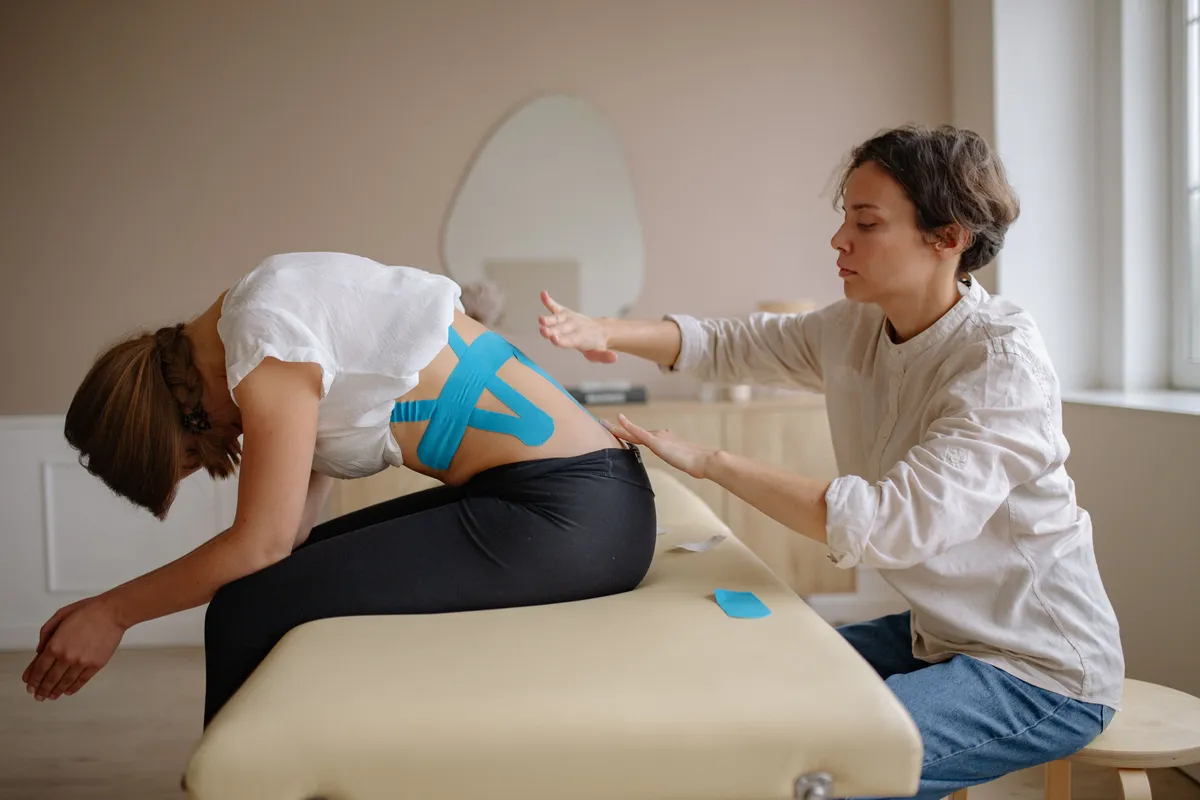
The physical part of the assessment may involve observing movement and testing relevant areas of strength, mobility, balance or control depending on your symptoms.
Assessment should guide treatment.
It should not simply confirm a predetermined rehabilitation program.
What Does Sports Injury Rehabilitation Involve?
Rehabilitation depends on what the assessment identifies.
At Jacksonport Sports Physio, physiotherapy may include therapeutic exercise, mobility training, manual therapy and education depending on the patient's needs and goals.
Strengthening
Strength may need to be rebuilt after certain injuries.
Exercise progression should reflect your current ability and the demands of the activity you want to return to.
Mobility Work
Some injuries can temporarily limit comfortable movement.
Physiotherapy may include mobility focused exercises when movement restrictions are relevant to your symptoms.
Balance and Movement Control
Balance and control can be important when returning to activities that involve running, jumping, landing or changing direction.
Progressive Exercise
Rehabilitation should usually become more demanding as your capacity improves.
Someone returning to running, for example, eventually needs to tolerate running demands rather than only completing low intensity exercises.
Manual Therapy
Hands on treatment may sometimes be included when appropriate, but it should not replace the active rehabilitation needed to rebuild physical capacity.
Education
Understanding your injury, activity level and rehabilitation plan can help you make informed decisions between appointments.
AHS also describes physiotherapy as an active approach that includes assessment, exercise programs and education to support recovery and ongoing activity.
How Is Return to Sport or Exercise Decided?
There is no universal number of days or appointments that determines when someone is ready.
Returning to activity depends on factors such as:
The type of injury
Symptom response
Strength
Mobility
Balance and control
Confidence
The physical demands of the sport
How you respond as activity is progressively increased
For example, feeling comfortable while walking does not automatically mean someone is ready for sprinting, jumping, cutting or heavy lifting.
The goal is usually to progress from basic activity toward the specific demands you need to perform.
That process should be individualized.
Should You Completely Rest After a Sports Injury?
Not necessarily.
The appropriate amount of activity depends on the injury.
Some injuries may temporarily require significant activity modification, while others may benefit from maintaining appropriate movement and exercise within tolerable limits.
Complete rest for an extended period is not automatically the best strategy for every sports injury.
A physiotherapist can help determine what activities should be reduced, modified or gradually reintroduced.
How Long Does Sports Physiotherapy Take?
There is no reliable universal recovery timeline.
A minor injury and a significant ligament injury, for example, should not be expected to follow the same rehabilitation timeline.
Factors that may influence recovery include:
Type and severity of injury
How long symptoms have been present
Previous injuries
General health
Training demands
Rehabilitation goals
Response to treatment
Participation in the rehabilitation program
A responsible sports physiotherapist in Northeast Calgary should monitor your progress and adapt treatment rather than guaranteeing that you will recover within a specific number of visits.
How Do You Choose a Sports Physiotherapist in Northeast Calgary?
When choosing a sports physiotherapist in Northeast Calgary, consider more than proximity.
Check Professional Registration
Physiotherapists in Alberta are regulated healthcare professionals.
The College of Physiotherapists of Alberta requires physiotherapists to meet registration and professional standards.
Look for Individual Assessment
The physiotherapist should understand your injury, sport, activity level and goals before recommending treatment.
Ask How Progress Will Be Measured
A rehabilitation plan should include ways of evaluating whether your movement, strength or function is improving.
The College's standards specifically require appropriate assessment and reassessment using professional judgment and standardized measures where available.
Discuss Your Sport or Activity
Tell your physiotherapist exactly what you want to return to.
"Exercise" is too broad.
Running, soccer, hockey, lifting and recreational sports have different physical demands.
Expect Clear Communication
You should understand:
What the assessment found
Why treatment is being recommended
What you can do between visits
How progress will be assessed
When the treatment plan may need to change
Sports Physiotherapy in Jacksonport and Northeast Calgary
Jacksonport Sports Physio is located at:
3730 104 Ave NE #120
Calgary, AB T3N 0T1
The clinic provides physiotherapy and rehabilitation care from its Jacksonport location in Northeast Calgary. Its current physiotherapy page specifically includes sports injury recovery and post exercise rehabilitation among the concerns it treats.
Patients looking for a sports physiotherapist in Northeast Calgary can access assessment based physiotherapy from the Jacksonport location.
Jacksonport also serves people travelling from nearby Northeast Calgary communities, but the clinic itself is physically located in Jacksonport.
Sports Physiotherapy Near Redstone and Cityscape
Jacksonport's Northeast Calgary location may also be considered by people travelling from nearby communities.
If Redstone is more relevant to you, read our guide to physiotherapy near Redstone Calgary.
For people coming from Cityscape, our guide to physiotherapy near Cityscape explains what to expect when considering nearby physiotherapy.
These supporting articles should remain community specific while this article focuses on sports rehabilitation across Northeast Calgary.
Frequently Asked Questions
When should I see a sports physiotherapist?
Consider an assessment when pain, weakness, stiffness or an injury is preventing you from participating comfortably in sport, exercise or other physical activities.
Do I need to be an athlete to see a sports physiotherapist?
No.
Sports physiotherapy can also be relevant to recreational runners, gym members, active adults and anyone trying to return safely to a physical activity.
What happens at the first appointment?
Your physiotherapist will typically review your symptoms, health history, activities and goals and complete an appropriate physical assessment before discussing treatment options.
Can sports physiotherapy help after an ankle or knee injury?
Physiotherapy may form part of rehabilitation for many ankle and knee injuries, depending on the diagnosis and assessment findings.
Will I receive exercises?
Exercise is commonly used in physiotherapy when appropriate. Jacksonport's current physiotherapy service includes therapeutic exercise, strengthening and mobility based rehabilitation according to individual needs.
How quickly can I return to sport?
There is no standard timeline for every person or injury.
Return to activity should reflect your injury, symptoms, physical capacity, progress and the demands of your sport.
Where can I find a sports physiotherapist in Northeast Calgary?
Jacksonport Sports Physio provides physiotherapy from its clinic at 3730 104 Ave NE #120 in Jacksonport, Northeast Calgary. The clinic offers physiotherapy for sports injuries and other movement related concerns. Jacksonport Physiotherapy
Looking for a Sports Physiotherapist in Northeast Calgary?
If an injury, pain or movement problem is limiting your sport, workouts or physical activity, an assessment can help determine what rehabilitation may be appropriate.
Jacksonport Sports Physio provides physiotherapy from its Jacksonport clinic in Northeast Calgary with treatment based on your symptoms, physical findings and goals.
Call: 587 254 3656
Email:[email protected]
Visit: 3730 104 Ave NE #120, Calgary, AB T3N 0T1
Jacksonport's current booking system confirms the clinic location, phone number, email address and physiotherapy practitioners.


