
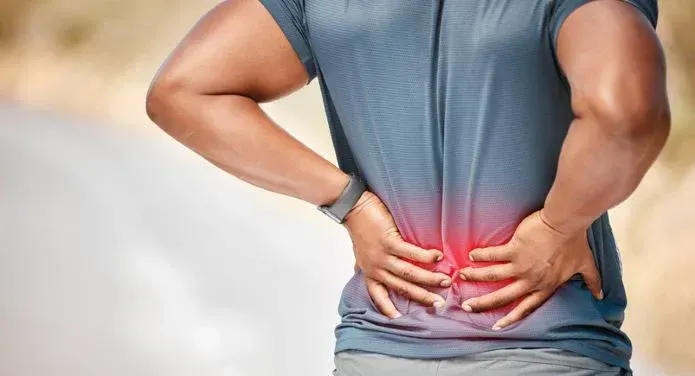
Underactive Glutes & Lower Back Pain
How Underactive Gluteal Muscles Can Cause Lower Back Pain
Lower back pain is one of the most common musculoskeletal complaints among adults in Calgary. While many people assume the source of discomfort lies directly in the spine, the underlying cause is often related to muscle imbalance and poor movement mechanics. One frequently overlooked factor is underactive gluteal muscles.
At Jacksonport Sports Physio near Country Hills, physiotherapy assessments often reveal that weak or underactive glutes contribute significantly to lower back strain. Understanding this connection can help individuals address the root cause rather than focusing only on temporary symptom relief.
This article explains how underactive gluteal muscles can cause lower back pain, how physiotherapy can help, and what corrective strategies are commonly used.
Understanding the Role of the Gluteal Muscles
The gluteal muscles consist of three primary muscles:
Gluteus maximus
Gluteus medius
Gluteus minimus
Together, these muscles stabilize the pelvis, support hip extension, control rotational movement, and absorb load during walking, running, and lifting.
The gluteus maximus is responsible for powerful hip extension, such as rising from a chair or climbing stairs. The gluteus medius plays a critical role in pelvic stability during single-leg activities like walking.
When these muscles function properly, they reduce excessive strain on the lower back by distributing forces efficiently through the hips.
At Jacksonport Sports Physio near Country Hills, physiotherapists assess glute activation as part of lower back pain treatment in Calgary.
What Does “Underactive” Mean?
Underactive gluteal muscles do not necessarily mean complete weakness. Instead, they may fail to activate at the correct time during movement.
Prolonged sitting, sedentary work habits, previous injuries, or improper training patterns can reduce neural activation of the glutes. When this occurs, other muscles compensate.
Common compensators include:
Lower back extensors
Hamstrings
Hip flexors
Over time, this compensation increases stress on the lumbar spine.
How Underactive Glutes Contribute to Lower Back Pain
The connection between underactive gluteal muscles and lower back pain involves several biomechanical factors.
1. Increased Lumbar Extension Stress
When the gluteus maximus does not activate effectively during hip extension, the lower back muscles may take over. This leads to excessive lumbar extension during movements like standing, lifting, or walking uphill.
Repeated strain in this pattern may result in:
Muscle fatigue
Joint compression
Soft tissue irritation
Physiotherapy near Country Hills often focuses on correcting this pattern.
2. Poor Pelvic Stability
The gluteus medius stabilizes the pelvis during walking and running. If this muscle is underactive, the pelvis may drop excessively from side to side.
This instability alters spinal alignment and increases rotational stress on the lower back.
Over time, this may contribute to chronic lower back discomfort.
3. Altered Movement Mechanics
Weak or underactive glutes change how force is transferred through the body. Instead of the hips absorbing load, the lumbar spine may experience increased pressure.
Activities such as squatting, lifting groceries, or prolonged standing may trigger symptoms when glute activation is insufficient.
At Jacksonport Sports Physio Calgary, movement analysis helps identify these compensatory patterns.
Common Signs of Gluteal Underactivity
Individuals with underactive glutes may notice:
Lower back tightness after sitting
Pain when standing for long periods
Difficulty maintaining posture
Hip instability during walking
Hamstring tightness
However, these symptoms alone do not confirm the cause. A structured physiotherapy assessment is required.
The Impact of Prolonged Sitting
Many residents near Country Hills work in office environments. Prolonged sitting places the gluteal muscles in a lengthened and inactive position.
Over time, the nervous system reduces activation signals to these muscles. This condition is sometimes informally referred to as “glute inhibition.”
When standing after extended sitting, the lower back may compensate for reduced hip activation.
This cycle contributes to recurring back discomfort.
Physiotherapy Assessment at Jacksonport Sports Physio Near Country Hills
Effective lower back pain treatment begins with a detailed assessment.
At Jacksonport Sports Physio near Country Hills, physiotherapists evaluate:
Postural alignment
Pelvic positioning
Hip mobility
Core stability
Glute activation patterns
Gait mechanics
Special tests may be used to assess gluteus medius and gluteus maximus strength.
This comprehensive approach ensures that treatment addresses underlying causes rather than symptoms alone.
Corrective Strategies for Underactive Gluteal Muscles
Treatment for underactive gluteal muscles focuses on activation, strengthening, and movement retraining.
Glute Activation Exercises
Low load exercises are introduced first to retrain neuromuscular activation. Examples may include:
Glute bridges
Clamshell exercises
Side lying hip abduction
Quadruped hip extension
These exercises emphasize controlled contraction and proper alignment.
Progressive Strength Training
Once activation improves, strength is gradually increased.
Exercises may include:
Hip thrusts
Step-ups
Split squats
Deadlift variations
Progression is based on individual tolerance and movement quality.
Core and Pelvic Stability Training
Glute activation works best when integrated with core stability.
Exercises may focus on:
Pelvic control
Transverse abdominis activation
Dynamic balance
This integration reduces excessive lumbar compensation.
Movement Re education
Correcting lifting techniques and posture plays an important role in long-term improvement.
Patients are guided to:
Engage hips during lifting
Avoid excessive spinal extension
Maintain neutral alignment during activity
Education supports sustainable recovery.
A Patient Experience Near Country Hills
An individual working in a desk-based role near Country Hills reported persistent lower back tightness that worsened after long workdays.
Assessment at Jacksonport Sports Physio revealed reduced gluteus medius activation and compensatory lumbar extension during movement.
A structured physiotherapy program focused on activation exercises, progressive strengthening, and posture correction.
Over several weeks, the patient reported improved tolerance to standing and reduced back discomfort during daily activities.
This example illustrates how addressing hip weakness can influence lower back pain outcomes.
Preventing Recurrence
Preventative strategies include:
Taking breaks from prolonged sitting
Performing regular glute activation drills
Maintaining hip mobility
Strengthening posterior chain muscles
Using proper lifting mechanics
Ongoing physiotherapy follow-up can help monitor progress.
When to Seek Physiotherapy Near Country Hills
You may benefit from assessment if you experience:
Persistent lower back pain
Recurring tightness after sitting
Pain during lifting
Hip instability
Discomfort during walking or running
Early intervention can reduce the likelihood of chronic patterns developing.
Why Addressing Glute Function Matters
Lower back pain often involves multiple contributing factors. Focusing only on the spine may overlook important muscular imbalances.
By addressing underactive gluteal muscles, individuals can:
Improve load distribution
Enhance movement efficiency
Reduce lumbar strain
Support long-term function
At Jacksonport Sports Physio Calgary near Country Hills, physiotherapy programs are individualized to address biomechanical causes.
Conclusion
Underactive gluteal muscles can contribute significantly to lower back pain by altering movement mechanics, increasing lumbar strain, and reducing pelvic stability.
Identifying and correcting glute activation patterns is an important component of lower back pain treatment in Calgary.
Jacksonport Sports Physio near Country Hills provides comprehensive physiotherapy assessments to evaluate muscle function, posture, and movement patterns. Through structured activation exercises, progressive strengthening, and education, patients can address contributing factors and reduce strain on the lower back.
If you are experiencing lower back pain or suspect weak gluteal muscles may be contributing to your discomfort, a professional assessment can help identify the underlying cause. Jacksonport Sports Physio near Country Hills offers personalized physiotherapy programs focused on restoring proper muscle activation and improving movement patterns. Contact the clinic today to book an appointment and begin a structured approach to managing lower back pain.
FAQ’S
Should I see a physiotherapist for lower back pain near Country Hills?
If your lower back pain is persistent, worsens with activity, or keeps returning, a physiotherapy assessment can help determine whether gluteal underactivity or other biomechanical factors are contributing to your symptoms.
Can weak glutes really cause lower back pain?
Yes, underactive gluteal muscles can contribute to lower back pain. When the glutes do not activate properly, the lower back muscles may compensate, leading to increased strain and discomfort over time.
How do I know if my glutes are underactive?
Common signs include lower back tightness after sitting, hip instability while walking, and difficulty engaging the hips during exercises. A physiotherapy assessment near Country Hills at Jacksonport Sports Physio can help identify glute activation issues.