What Is Dry Needling?
What Is Dry Needling?
Muscle tightness and persistent pain can affect a person’s ability to move comfortably and perform daily activities. Many individuals experience discomfort in the neck, shoulders, back, or legs that may not improve with rest alone. Physiotherapy offers several treatment approaches designed to reduce muscle tension and support recovery.
One technique used in physiotherapy is dry needling. This treatment involves inserting thin sterile needles into specific muscle areas known as trigger points. The goal is to reduce muscle tension, improve movement, and support the rehabilitation process.
People searching for dry needling physiotherapy near Redstone often want to understand how this treatment works and whether it may help manage muscle pain or mobility limitations.
At Jacksonport Sports Physio near Redstone, dry needling may be used as part of a physiotherapy treatment plan that includes exercises, mobility training, and manual therapy. This article explains what dry needling is, how it works, when it may be used, and how physiotherapy supports recovery.
Understanding Muscle Trigger Points
Muscles work together to allow movement and maintain posture. When muscles become overworked or stressed, small areas within the muscle fibers may become tight or sensitive. These areas are known as trigger points.
Trigger points can develop due to several factors, including:
Muscle overuse
Repetitive work movements
Sports activities
Poor posture
Injury or strain
Long periods of sitting
Trigger points may cause localized discomfort and sometimes pain that spreads to nearby areas.
For example, trigger points in the neck can lead to tension headaches, while trigger points in the shoulder muscles may limit arm movement. Dry needling focuses on these areas to help release tight muscle fibers.
What Is Dry Needling?
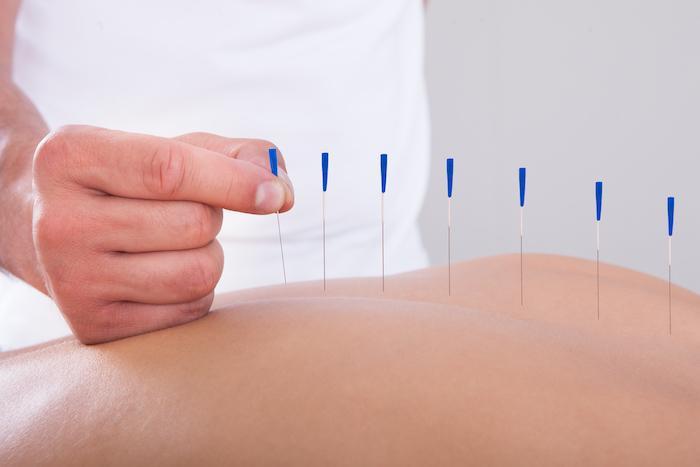
Dry needling is a physiotherapy treatment technique where thin sterile needles are inserted into muscle trigger points. The needles do not contain medication, which is why the technique is referred to as “dry.”
The purpose of dry needling is to stimulate the muscle tissue and encourage it to relax. When the needle reaches a trigger point, the muscle may produce a brief twitch response.
This reaction is known as a local twitch response, and it may help reduce tension within the muscle.
Physiotherapists use dry needling as part of a broader rehabilitation program designed to address muscle pain, mobility limitations, and functional movement problems.
How Dry Needling Works in Physiotherapy
Dry needling affects muscle tissue in several ways. The treatment focuses on reducing tension and improving how muscles function.
Trigger Point Release
When a needle is inserted into a trigger point, the muscle may contract briefly and then relax. This process can reduce tightness in the muscle fibers.
By releasing trigger points, dry needling may help decrease muscle discomfort and improve movement.
Increased Blood Circulation
Needle stimulation may improve circulation in the treated area. Increased blood flow can help deliver oxygen and nutrients to muscle tissue.
Improved circulation may also assist with the removal of metabolic waste that contributes to muscle soreness.
Reduced Muscle Tension
Trigger points often create persistent tension within muscles. Dry needling may help reduce this tension, allowing muscles to move more freely.
Reduced muscle tension can support everyday movement and rehabilitation exercises.
Support for Movement Therapy
Dry needling is typically combined with physiotherapy exercises and mobility training. By reducing muscle tightness, patients may find it easier to perform rehabilitation exercises.
This combination helps address both the symptoms and underlying causes of muscle discomfort.
Conditions That May Be Treated with Dry Needling
Physiotherapists may use dry needling as part of treatment for several musculoskeletal conditions.
These may include:
Neck pain
Shoulder discomfort
Upper and lower back pain
Sports related muscle strain
Muscle tightness caused by repetitive activities
Tension headaches related to muscle stiffness
Each individual is assessed by a physiotherapist to determine whether dry needling is appropriate for their condition.
At Jacksonport Sports Physio near Redstone, treatment plans are developed based on patient needs and rehabilitation goals.
Dry Needling and Sports Rehabilitation
Athletes often experience muscle tightness or strain as a result of training and competition. Physiotherapy plays an important role in helping athletes recover and return to activity.
Dry needling may be included in sports rehabilitation programs to address trigger points that limit movement or cause discomfort.
By reducing muscle tension, the treatment may help athletes participate more effectively in strengthening and mobility exercises.
Sports physiotherapy often combines dry needling with stretching, strengthening routines, and movement correction techniques.
The Dry Needling Treatment Process
Many individuals who consider dry needling want to know what happens during a treatment session.
Physiotherapy Assessment
Before treatment begins, the physiotherapist performs an assessment. This evaluation includes reviewing symptoms, examining movement patterns, and identifying trigger points.
The assessment helps determine whether dry needling may be beneficial.
Needle Insertion
Once trigger points are identified, thin sterile needles are inserted into the targeted muscle areas.
These needles are designed specifically for physiotherapy treatments.
Muscle Response
When the needle reaches a trigger point, a brief twitch response may occur. This response indicates that the muscle has reacted to the stimulation.
The physiotherapist monitors the response and adjusts treatment as needed.
Post Treatment Care
After dry needling, the physiotherapist may recommend stretching exercises or mobility drills.
These exercises support recovery and help maintain improvements achieved during treatment.
Sensations During and After Dry Needling
Patients may experience different sensations during dry needling treatment.
Some individuals feel a brief twitch or mild pressure when the needle reaches a trigger point.
After treatment, mild soreness in the treated area may occur. This sensation is often similar to muscle soreness experienced after exercise.
Physiotherapists provide guidance on post treatment care to help manage these sensations.
Dry Needling Compared to Acupuncture
Although dry needling and acupuncture both use thin needles, the techniques are based on different approaches.
Acupuncture originates from traditional Chinese medicine and focuses on balancing energy pathways within the body.
Dry needling is based on modern anatomical understanding of muscles and trigger points.
Physiotherapists use dry needling specifically to address musculoskeletal conditions related to muscle tension and movement limitations.
Benefits of Dry Needling in Rehabilitation
Dry needling may offer several benefits when included in a physiotherapy treatment plan.
These may include:
Reducing muscle tightness
Improving joint range of motion
Supporting rehabilitation exercises
Helping manage discomfort associated with trigger points
By addressing muscle tension, dry needling can help individuals participate more comfortably in movement therapy and strengthening exercises.
Who May Benefit from Dry Needling
Dry needling may be recommended for individuals experiencing persistent muscle tightness that affects movement or daily activities.
Athletes recovering from sports injuries may include dry needling in their rehabilitation programs.
Individuals who spend long hours at desks or performing repetitive tasks may also experience muscle tension that responds to physiotherapy treatment.
Physiotherapists determine whether dry needling is appropriate after assessing the patient’s condition.
The Importance of Professional Physiotherapy Treatment
Dry needling should always be performed by trained healthcare professionals.
Physiotherapists receive specific training in anatomy and needling techniques to ensure treatment is delivered safely.
At Jacksonport Sports Physio near Redstone, physiotherapists follow professional standards when performing dry needling as part of rehabilitation programs.
Professional guidance ensures that treatment addresses the root causes of muscle tension rather than focusing only on symptoms.
Supporting Long Term Recovery
While dry needling can help release muscle tension, long term recovery usually involves strengthening and movement training.
Physiotherapists help patients improve posture, correct movement patterns, and strengthen muscles that support the joints.
This approach reduces the likelihood of recurring muscle tension and supports overall physical health.
By combining manual therapy, exercise, and dry needling techniques, physiotherapy programs focus on restoring function and movement.
Conclusion
Dry needling is a physiotherapy technique used to target muscle trigger points and reduce muscle tension. By stimulating tight muscle areas, the treatment may help improve circulation, reduce discomfort, and support rehabilitation exercises.
Individuals experiencing neck pain, shoulder tension, sports related muscle strain, or mobility limitations may consider physiotherapy assessment to determine whether dry needling may be helpful.
If you are experiencing muscle tightness or movement limitations, the physiotherapy team at Jacksonport Sports Physio near Redstone can assess your condition and determine whether dry needling may be included in your treatment plan. Book an appointment to begin a physiotherapy program focused on restoring mobility and supporting recovery.
To learn more about physiotherapy treatments including dry needling, contact Jacksonport Sports Physio near Redstone. Our team can answer questions about treatment options and help schedule an assessment with a physiotherapist.
FAQ’s
Is dry needling painful?
Most people feel a brief twitch or pressure during treatment. Mild soreness after treatment may occur but usually resolves quickly.
How many sessions of dry needling are needed?
The number of sessions depends on the condition being treated and the individual’s response to therapy.
Is dry needling safe?
When performed by trained physiotherapists, dry needling is a controlled treatment technique used in physiotherapy rehabilitation.